

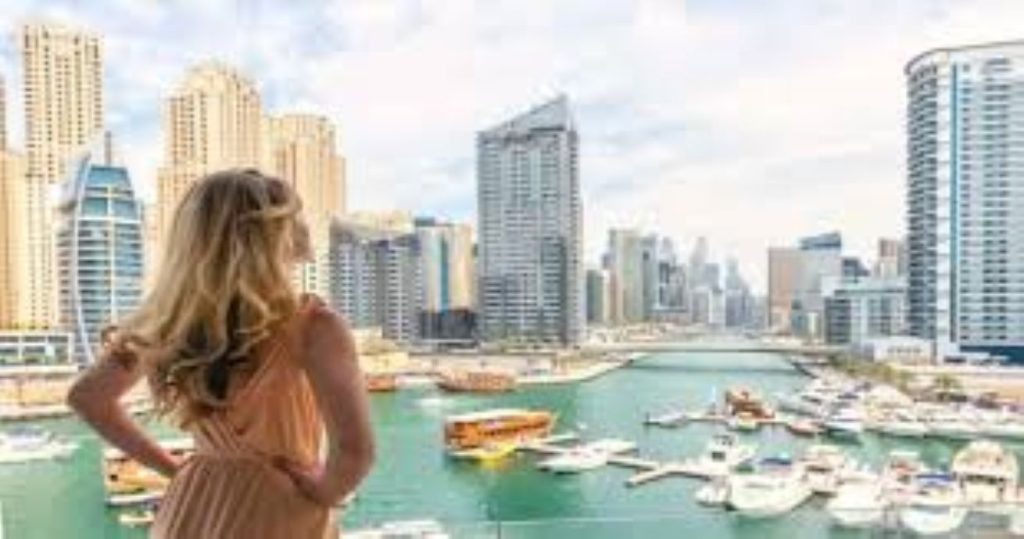
The cost of living in Dubai for expats depends primarily on housing choices, lifestyle expectations, family size, and compliance-related expenses tied to residency and employment structures. Dubai offers a predictable, infrastructure-driven living environment where essential services operate efficiently, but spending patterns vary sharply between minimal and premium lifestyles. Understanding these variables early allows expats to plan sustainably and avoid financial pressure after relocation.
This guide is written from an operational and advisory standpoint developed through prolonged exposure to expatriate onboarding, compliance structuring, and settlement planning in the UAE. The information reflects real-world patterns observed across multiple residency profiles rather than theoretical averages.
Housing and Residential Living Patterns
Housing remains the single most influential factor affecting overall living conditions for expats. Dubai’s residential market operates on annual lease agreements, typically requiring upfront payments through post-dated cheques.
Residential Options and Living Trade-Offs
| Residential Type | Typical Occupants | Key Advantages | Practical Limitations |
|---|---|---|---|
| Shared Apartments | Single professionals | Lower commitment, flexibility | Limited privacy |
| Studio Units | Solo residents | Efficient space use | Location-dependent |
| Family Apartments | Small families | Access to schools and amenities | Higher long-term commitment |
| Villas | Large families | Space and privacy | Higher maintenance responsibility |
Bonus Tip: Areas with newer infrastructure reduce long-term maintenance disruptions, especially during summer months when HVAC performance matters most.
Utilities and Climate-Driven Consumption
Dubai’s climate directly influences monthly utility usage, particularly electricity and water consumption due to air conditioning demands.
Utility Components and Usage Drivers
| Utility Category | Climate Sensitivity | Usage Pattern |
|---|---|---|
| Electricity | High | Peaks between May and September |
| Water | Moderate | Increases with villa living |
| Internet | Low | Stable year-round |
| Cooling Charges | High | Centralized systems vary by building |
According to Dubai Electricity and Water Authority (DEWA), cooling-related consumption accounts for over 60% of residential electricity usage during peak summer months.
Transportation and Daily Mobility
Dubai supports both private vehicle ownership and public transport usage. Most long-term expats gravitate toward private mobility due to geographic spread and time efficiency.
Mobility Options Comparison
| Mode | Best Suited For | Reliability | Daily Convenience |
|---|---|---|---|
| Metro | Urban professionals | High | Route-limited |
| Buses | Budget-conscious users | Moderate | Time-intensive |
| Private Cars | Families and executives | High | Maintenance required |
| Ride-Hailing | Short-term residents | High | Usage-based |
Market Data: The Roads and Transport Authority (RTA) reports that over 65% of daily commuters rely on private vehicles due to dispersed residential clusters.
Food, Groceries, and Consumption Habits
Dubai’s food ecosystem ranges from value-based supermarkets to imported premium retailers. Spending patterns depend on cultural familiarity and dietary preferences.
Grocery Sourcing Comparison
| Source Type | Cost Stability | Product Variety | Ideal For |
|---|---|---|---|
| Local Markets | High | Moderate | Daily essentials |
| Supermarkets | Moderate | High | Balanced households |
| Imported Stores | Low | Premium | Specific dietary needs |
Bonus Tip: Expats who blend local sourcing with imported essentials maintain stable consumption without overexposure to premium pricing.
Healthcare Access and Education Planning
Dubai operates a mandatory health insurance framework for residents. Coverage scope varies based on employment category and visa structure.
Healthcare and Education Structure
| Sector | Access Model | Regulatory Oversight |
|---|---|---|
| Healthcare | Insurance-driven | Dubai Health Authority |
| Education | Private-dominated | KHDA |
According to the Knowledge and Human Development Authority (KHDA), over 90% of expat children in Dubai attend private institutions aligned with international curricula.
Things to Consider Before Relocating
Key pre-decision factors significantly influence long-term stability:
-
Visa category alignment with employment or business activity
-
Residential location relative to workplace
-
Family dependency planning for schooling and healthcare
-
Climate adaptability and lifestyle pacing
Bonus Tip: Early alignment between visa type and living expectations prevents compliance conflicts during renewals.
Operational Support Services Offered
StartUp Zone provides limited, function-specific services that align with expatriate settlement and operational compliance:
-
Bank Account Opening:
Structured assistance to align documentation with UAE banking protocols. -
Bookkeeping Services:
Ongoing record maintenance to ensure financial clarity and compliance. -
VAT Services:
Regulatory support to maintain tax alignment where applicable. -
Mainland and Freezone Licensing:
Entity structuring aligned with residency and operational needs.
Common Decision-Oriented Questions Expats Ask
Is Dubai suitable for long-term family living?
Yes, provided schooling, healthcare coverage, and residential proximity are planned early.
Does climate significantly affect living habits?
Yes. Daily routines shift indoors during peak summer months.
Is public transport sufficient for daily use?
Only in central zones. Peripheral areas benefit from private mobility.
Practical Questions After Settlement
How do expats manage summer utility consumption?
Optimized insulation and efficient cooling schedules reduce peak usage strain.
What causes most relocation delays?
Incomplete documentation and misaligned visa selections.
Can expats change residential areas easily?
Yes, but lease structures favor annual commitments.
How stable is healthcare access during peak seasons?
Private healthcare maintains consistent service levels year-round.
Conclusion
Dubai offers a structured, predictable living environment for expats who approach relocation with informed planning. Housing choices, climate adaptation, and compliance alignment determine long-term comfort more than lifestyle branding. Evaluating personal priorities against operational realities ensures sustainable settlement outcomes.